The Science Behind Metalwork: Why Silver Filigree Lasts a Lifetime
January, 2026
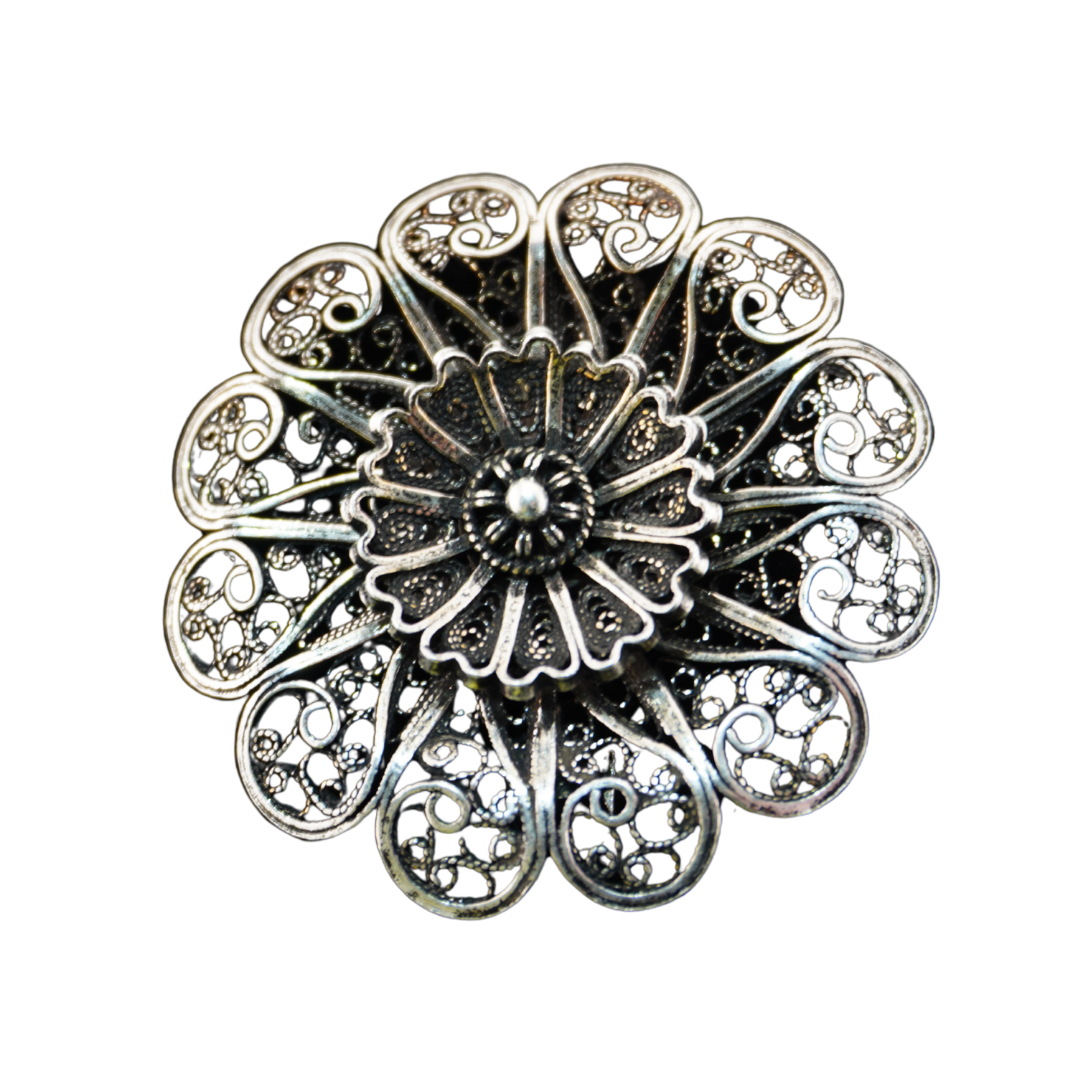
Silver filigree is admired not only for its beauty, but also for its remarkable longevity. Each piece is created using fine silver wire that is shaped, twisted, and fused by hand, resulting in a structure that balances delicacy with strength. Unlike mass-produced jewelry, filigree relies on the natural properties of silver and precise craftsmanship rather than heavy molds or excess material. This combination allows the jewelry to remain lightweight while retaining its form over time.
From a material perspective, silver is naturally resilient. When properly worked and finished, it withstands daily wear without losing its integrity. Filigree techniques distribute tension evenly across the design, which helps prevent weak points or fractures. Oxidation, often mistaken for damage, is simply a surface reaction that can be easily cleaned, revealing the original shine beneath. This makes silver filigree a material that does not deteriorate, but instead matures with age.
Beyond the science, longevity is also shaped by human skill. The slow, deliberate process of handcrafting allows artisans to control every curve and connection. Each junction is carefully secured, ensuring that the piece holds together even decades later. With basic care and respect for the material, silver filigree jewelry becomes more than an accessory — it becomes a lasting object, capable of carrying personal stories and cultural memory across generations.

 Emocion