From Workshop to You: The Journey of a Margjelo Filigran Piece
Every silver filigree piece begins its life inside the Margjelo Filigran workshop, where the process is guided by quiet concentration, steady hands and a deep respect for tradition. The journey starts with raw silver, which is melted and shaped into thin, flexible threads. These threads are then stretched, twisted and prepared for the detailed work ahead. An artisan chooses a design—sometimes inspired by nature, sometimes by traditional Albanian motifs, and at times by personal creativity—and begins forming the tiny shapes that will eventually become the final piece. Each curve, loop and spiral is placed by hand, slowly building the pattern from the inside out. Some pieces require hours of delicate layering; others demand perfect symmetry or tiny repeating elements that must match one another closely. Once the filigree design is complete, the silver threads are soldered together to keep the structure strong. The piece is then shaped, adjusted and refined, making sure every small detail sits in the right place. After soldering, the piece goes through cleaning and polishing to bring out the natural shine of the silver. The polishing phase is important—it removes marks from the tools, brightens the metal, and reveals the fine work that might still look hidden before the shine appears. When the artisan is satisfied, the piece is checked again so that no wire is out of place, no curve is uneven and no surface is left unfinished. Only when all of the details align does the piece reach the stage where it can be shared with customers. It is then placed carefully in its packaging, usually a protective pouch or small box, ready to travel beyond the workshop.
When a Margjelo Filigran piece reaches its new owner, it carries far more than silver shaped into a pattern—it carries the time, patience and devotion of the artisan who created it. Each item holds traces of the workshop: the long hours spent bending thin threads, the quiet focus needed to shape details that most people will only notice up close, and the heritage of filigree craftsmanship that has been part of Albanian culture for generations. This is why every piece feels personal.
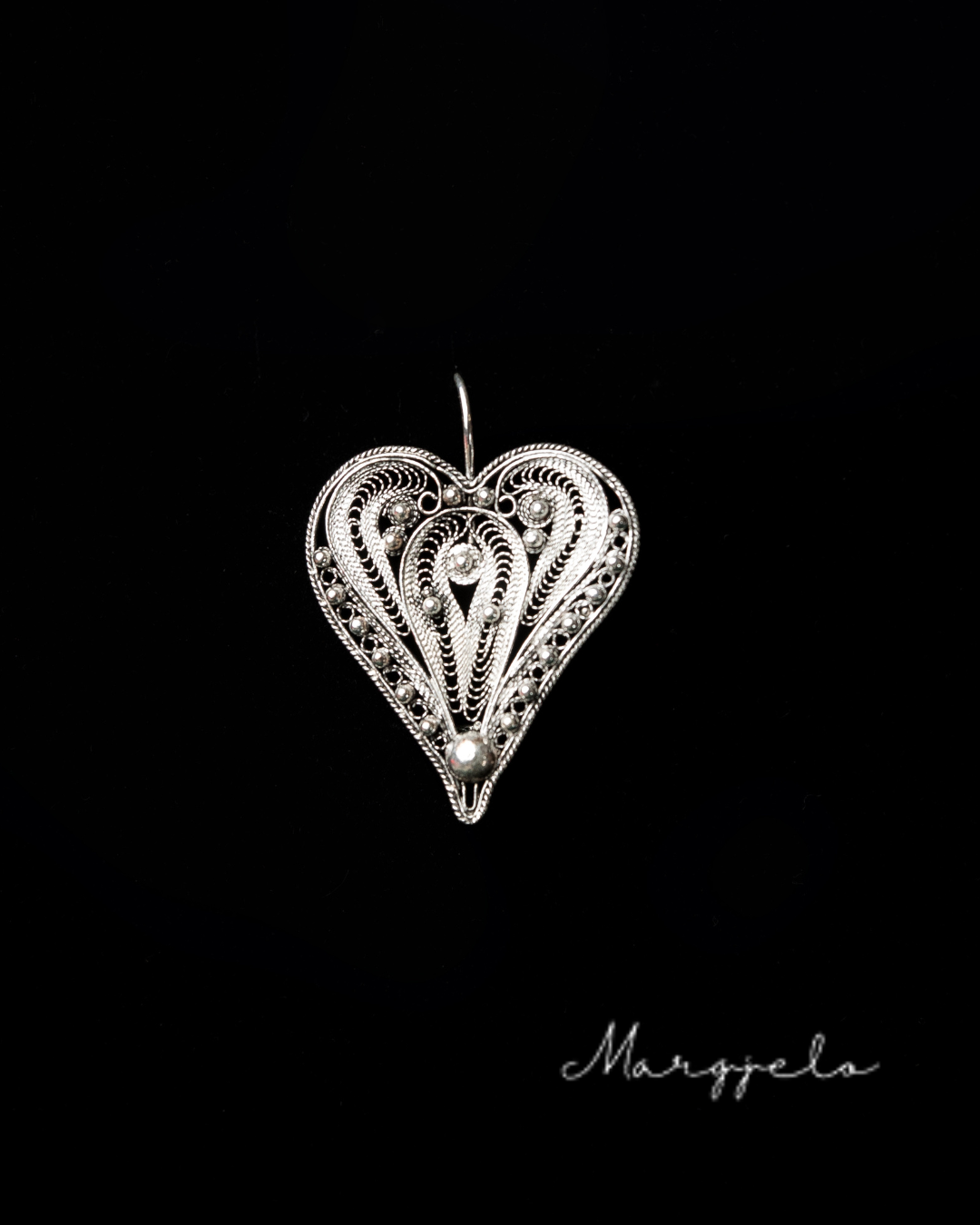
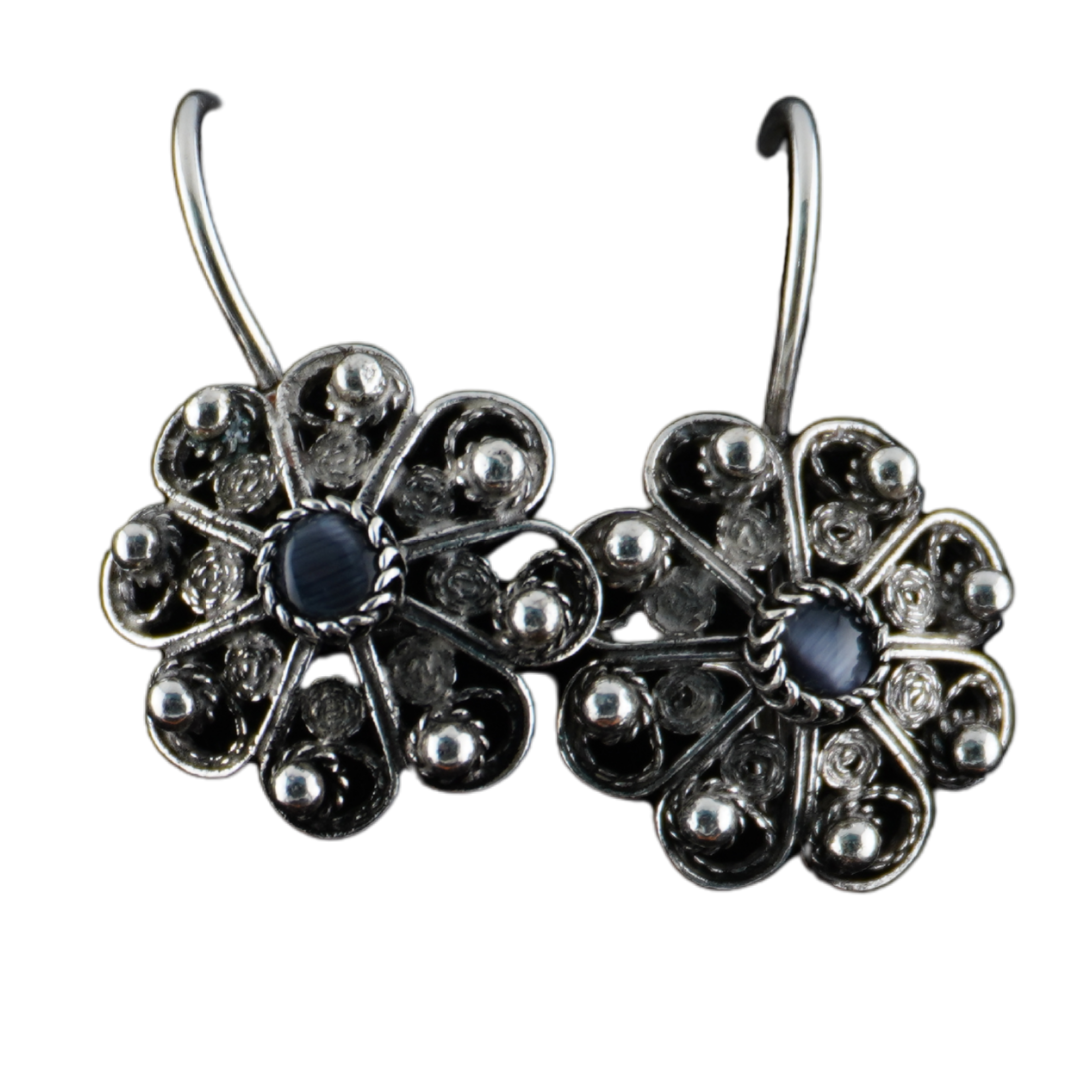
It isn’t made by machines or rushed through production; it grows slowly, layer by layer, guided by human hands that know the craft intimately. Receiving a filigree item means holding something that has travelled through tradition, care and creativity. It is a reminder that real artistry still exists and that a handmade object can carry a story all on its own—one that begins in the workshop and continues wherever the piece is worn or displayed.