Silver Filigree as an Investment: Why Handmade Craftsmanship Retains Value
July, 2026
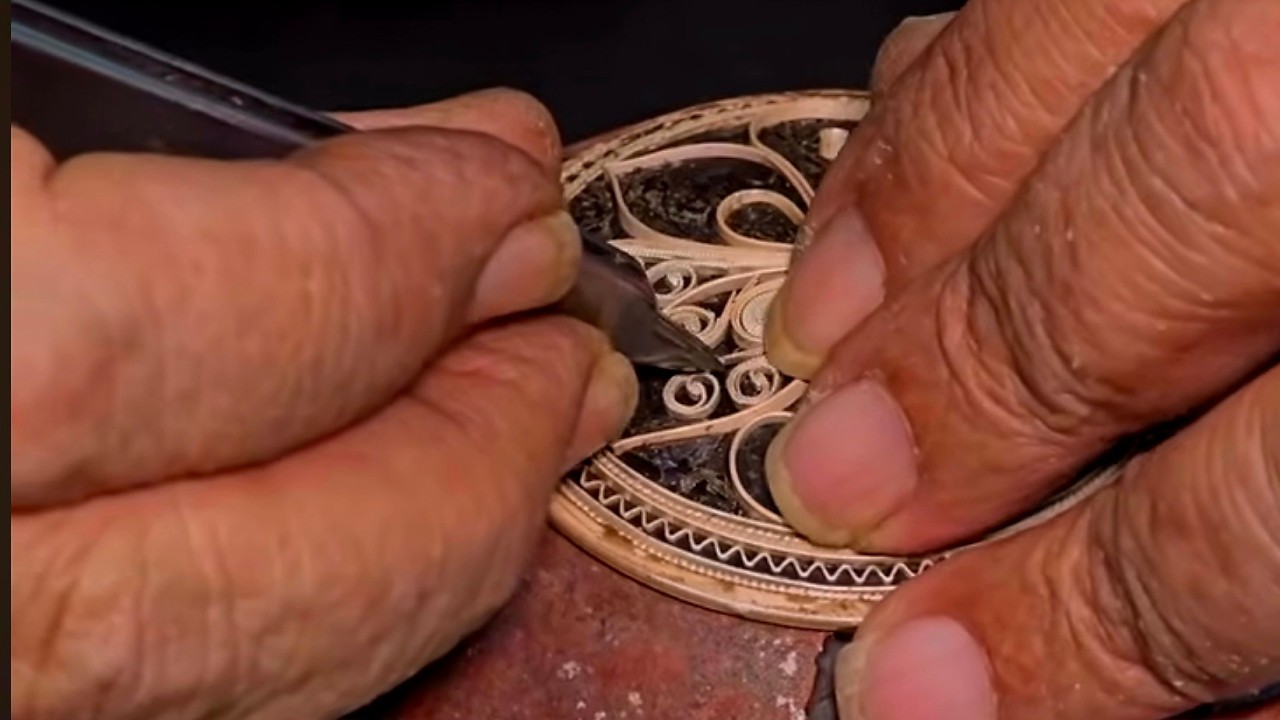
In a global market flooded with mass-produced accessories, the distinction between a "purchase" and an "investment" lies in the origin and the labor behind the object. For the discerning collector, silver filigree from Shkodra represents a tangible asset that retains value far beyond the fluctuating market price of the metal itself. At Margjelo, every piece is a labor-intensive creation where high-purity sterling silver is transformed through hundreds of hours of manual work. Unlike factory-stamped jewelry, which loses value the moment it leaves the store, handcrafted filigree carries an "artisan premium." This value is derived from the rarity of the skill required to produce it; as the number of masters capable of executing these complex designs dwindles, the existing pieces become more sought after as finite examples of human excellence.
The longevity of a filigree investment is also rooted in its structural integrity. Because our pieces are built through a sequence of hand-soldered joints rather than being cast in a mold, they possess a resilience that mass-produced items lack. A molded piece is often brittle and difficult to repair, whereas a hand-constructed silver lattice is designed to be maintained, polished, and restored over generations. This makes our jewelry a "living" heirloom. When you invest in a Margjelo silver frame or a traditional necklace, you are acquiring a piece of cultural capital that is immune to the fleeting trends of fast fashion. Its value is anchored in its authenticity and the 5,000-year-old history it represents—qualities that only grow more significant with time.
Furthermore, the global shift toward "slow luxury" has increased the demand for objects with a traceable, ethical provenance. Investors and collectors are increasingly looking for items that support local communities and preserve endangered heritage, such as the UNESCO-recognized traditions of Albania. Owning a piece of Shkodran silver is an investment in the survival of an ancient craft, making it a "legacy asset" that carries emotional and historical weight. As industrialization continues to standardize the world, the unique, "imperfectly perfect" touch of the human hand becomes the ultimate luxury. Choosing handmade craftsmanship is a strategic move for those who wish to own something that is not only beautiful today but will be revered as a classic for centuries to come.